

『Flow Meter Cleaning Protocol: Removing Scale and Chemical Buildup from Internal Electrodes』Related information(v cone flow meter|rotary gas meter|gallon meter|gear meter|metal tube rotameter|glass tube rotameter|nutating disk meter|transit time ultrasonic flow meter|wedge flow meter|pd meters|hydraulic flow meter|ultrasonic water flow meter|water flow meter|air flow meter|magnetic water flow meter|oxygen flow meter|gas flow meter|argon flow meter|air velocity meter|gasoline flow meter|fuel flow meter|ultrasonic water meter|digital water meter|nitrogen flow meter|solid flow meter|Oxygen tank flow meter|digital water flow meter|diesel fuel flow meter|steam flow meter|02 flow meter|compressed air flow meter|oil flow meter|liquid flow meter)
Flow Meter Cleaning Protocol: Removing Scale and Chemical Buildup from Internal Electrodes
Quick Answer: For electromagnetic flow meters with coated electrodes, remove the meter from line or use a cleaning port. Clean calcium scale with 10 percent citric acid in warm water. Clean grease and chemical films with a mild alkaline solution. Rinse with clean water and check electrode resistance before the meter returns to service.
Most engineers skip cleaning until the reading drifts. Here is the thing. We have seen this on customer sites many times. A water treatment plant in Malaysia ran a DN100 electromagnetic flow meter on sludge. Calcium carbonate built up on the electrode tips. The 4-20 mA HART signal drifted low by 8 percent in two weeks. But the converter still worked. The sensor was fouled.
Why Internal Electrodes Collect Scale and Chemicals
An electromagnetic flow meter measures voltage across a conductive liquid. The electrodes must stay in direct contact with the fluid. Any coating creates an insulating layer. That layer raises electrode resistance. Because of this, the converter sees a smaller signal. In hard water, calcium carbonate and iron oxide scale form quickly. In food and beverage plants, protein and fat films stick to the liner. In chemical dosing lines, polymer residue bonds to metal electrodes. In seawater desalination, scale can form within days when flow stops.
A clean electrode pair on a dry Silver Instruments magnetic flow meter typically reads between 5 kΩ and 50 kΩ. So a coated electrode can read above 200 kΩ or show open circuit. That is the first field check we recommend.
Signs That Electrodes Need Cleaning
A flow reading drifts while the pump speed stays constant. The totalizer does not match tank level changes. The signal is noisy even at stable flow. Empty pipe diagnostics trigger after shutdown. Error codes point to high electrode resistance or low signal amplitude. But do not replace the converter before you inspect the sensor tube.
Cleaning Protocol for Electromagnetic Flow Meter Electrodes
Isolate the meter and depressurize the line. Follow local lockout tagout procedures. If the meter has a cleaning port, use it. If not, unbolt the meter from the pipe. Flush the sensor tube with clean water at 0.5 bar to 1 bar. Then fill the tube with the right cleaning solution. Let it soak for 45 to 60 minutes. For stubborn deposits use a soft cotton swab on the electrode tip. Do not use wire brushes or hard scrapers. They can scratch the liner and damage the electrode surface.
For calcium and mineral scale, use 10 percent citric acid in warm water at 35 to 45 °C. For iron oxide, use 5 to 10 percent sulfamic acid. For grease and oil, use a mild alkaline detergent with pH 10 to 11. For food protein films, use a 5 percent alkaline cleaner at 40 °C. For polymer residue, use hot water first at 60 °C. Then apply a liner approved solvent. Always check the liner compatibility table before using solvents.
After cleaning, rinse the tube with demineralized water. Check the rinse water pH is neutral. Dry the liner with compressed air at no more than 3 bar. Measure the electrode resistance again. The value should return to the normal range. Reinstall the meter and run a zero check with a full pipe and no flow.
Electrode Material and Chemical Compatibility
Silver Instruments supplies electromagnetic flow meters with 316L, Hastelloy C, titanium, tantalum, and platinum-iridium electrodes. 316L is cost effective for clean water and wastewater. Hastelloy C resists acids and chlorides. Titanium resists seawater but avoid strong chloride acid at low pH. Tantalum resists aggressive chemicals but avoid hydrofluoric acid. Platinum-iridium suits high temperature and strong acid service. The liner material also matters. PTFE and PFA resist most acids and caustics. Hard rubber suits slurry and seawater. Polyurethane suits abrasive water and mining flows.
Field Cleaning vs Workshop Cleaning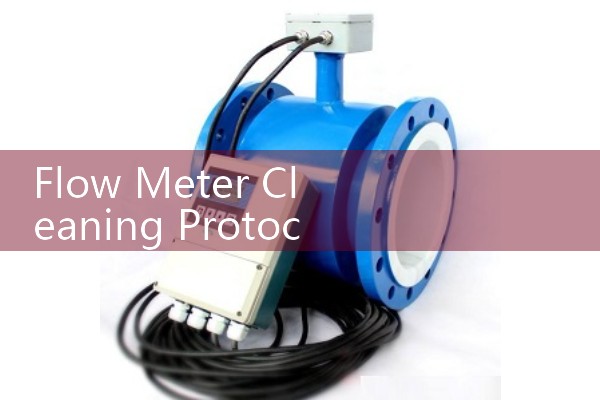 3>
3>
In practice, field cleaning works for light scale and soft films. You need a cleaning port or easy pipe access. Workshop cleaning is better when the liner has thick deposits or the electrode seal needs inspection. For a DN15 to DN50 meter, removal is fast. For a DN200 to DN2000 meter, field cleaning is often more practical. We can supply meters with optional cleaning ports for DN25 to DN100. Tell us the process liquid and the expected fouling type before you order.
Case Example from Vietnam
A seafood processing plant in Vietnam used a DN80 electromagnetic flow meter on fish paste. The expected flow was 110 kg/h but the converter showed 75 kg/h. The electrodes had a protein film. A two hour soak in 5 percent alkaline detergent at 40 °C restored the reading. The plant now cleans every six weeks. A dairy factory in New Zealand had a similar issue with whey. After switching to a Silver Instruments meter with Hastelloy C electrodes and a PTFE liner, the cleaning interval doubled.
Preventive Measures to Reduce Electrode Fouling
Install the meter in a vertical pipe with upward flow. That keeps solids from settling on the electrode face. Maintain flow velocity above 1 m/s for slurry and sludge. Keep the meter full at shutdown. Add a flushing port or clean water connection. For chemical injection points, place the meter upstream of the dosing point. If the liquid conductivity is below 50 µS/cm, electrode fouling becomes more visible in the signal. A higher excitation mode or chemically resistant electrodes help in these cases.
Recommended Silver Instruments Models
For conductive liquids from 5 µS/cm, choose the Silver Instruments electromagnetic flow meter series. Sizes range from DN15 to DN2000. Liner options include PTFE, PFA, hard rubber, and polyurethane. Accuracy is 0.5 percent of reading. Output options are 4-20 mA HART, pulse, and RS485 Modbus RTU. Process temperature up to 180 °C depending on liner. Pressure options include PN16, PN40, ANSI 150, and ANSI 300. ATEX Zone 1 versions are available for hazardous areas. For oil and gas mass flow, see our Coriolis mass flow meter series. For gas and steam, see vortex flow meters. For diesel and fuel oil, see oval gear flow meters.
FAQ
How often should I clean magnetic flow meter electrodes?
Clean on condition. If the reading drifts more than 2 percent with no process change, inspect the sensor. In seawater desalination, check every 4 to 8 weeks. In clean water, every 6 to 12 months is typical.
Can I clean electrodes without removing the flow meter?
Yes, if the meter has a cleaning port or flush rings. Many DN25 to DN100 Silver Instruments meters can include a cleaning port. Send us the pipe size and liner material.
What cleaning chemical is safe for PTFE and PFA liners?
10 percent citric acid is safe for PTFE and PFA. Avoid strong solvents on some elastomers. Confirm the chemical compatibility table with our engineers before using any solvent.
Does scale on the liner affect flow measurement if electrodes are clean?
Yes. Scale changes the cross-sectional area and the flow profile. The effective pipe ID is smaller. The reading may shift low even with clean electrodes.
What is the best replacement for a magnetic flow meter that fouls too often?
Choose a meter with a cleaning port, larger electrodes, or a liner that resists deposit bonding. For conductive liquids above 5 µS/cm, an electromagnetic flow meter is still the standard. For severe fouling, a Silver Instruments meter with PTFE liner and Hastelloy C electrodes is a strong option.
Send us your fluid type, conductivity in µS/cm, pressure in bar, temperature in °C, pipe size DN, and required flow range. We will select a cleaning friendly configuration and send a quote. Tel: +86-25-68650347, WhatsApp: +86-25-52155837, WeChat: +86 15365082610. You can also visit Silver Automation Instruments at flow-meter.com.au.
 Hot News
 Related AD